
Jessica Barr, 44, was struck at a Tampa bus station on March 19. She died June 28. The driver admitted using kratom; a later blood test detected mitragynine. Prosecutors are now pursuing vehicular homicide.
Five facts that matter
The driver: Robert Joseph Best, 38, has been charged, not convicted.
The admission: Best told officers he had taken chewy kratom tablets and THC.
The blood test: Expanded testing detected mitragynine, three other kratom-related analytes and THC.
The driving: Investigators reported 43 mph in a 30-mph zone, without braking or steering before impact.
The charges: Prosecutors declined to proceed with DUI charges, saying they could not prove them beyond a reasonable doubt, and pursued vehicular homicide instead.
1. Seventeen Minutes Before Impact
According to the Tampa Bay Times, Best photographed a package of Heat Full Spectrum Kratom Extract inside his car and asked ChatGPT about the product around 6:22 p.m. The crash occurred around 6:40 p.m. Investigators found the package in the vehicle with two tablets missing. The record does not establish precisely how much he took or when.
2. He Admitted Kratom. The Laboratory Confirmed It.
Officers described slurred speech, lethargy and difficulty standing. Best admitted taking kratom and THC. Routine testing initially found no controlled substances; a more comprehensive blood screen later detected mitragynine and three other kratom-related analytes. Alcohol was present below Florida's per se DUI threshold.
3. Tampa Kratom Vehicular Homicide: What Florida DUI Law Actually Covers
Florida Statutes §316.193(1) does not prohibit driving under the influence of every potentially impairing substance. It covers impairment by alcohol, chemical substances listed in §877.111, and controlled substances under Chapter 893, as well as specified blood- or breath-alcohol levels. Read the Florida DUI statute.
The Tampa Bay Times reports that prosecutors regarded kratom as outside the relevant statutory drug categories. They declined to proceed with the initial DUI charges because they could not prove the offense beyond a reasonable doubt, then pursued vehicular homicide based on alleged reckless driving. That is a specific statutory coverage issue—not proof that a positive mitragynine test establishes impairment.
That does not mean dangerous driving involving kratom is immune from prosecution. It does mean lawmakers should examine whether the law adequately addresses impairment involving legally sold psychoactive substances.
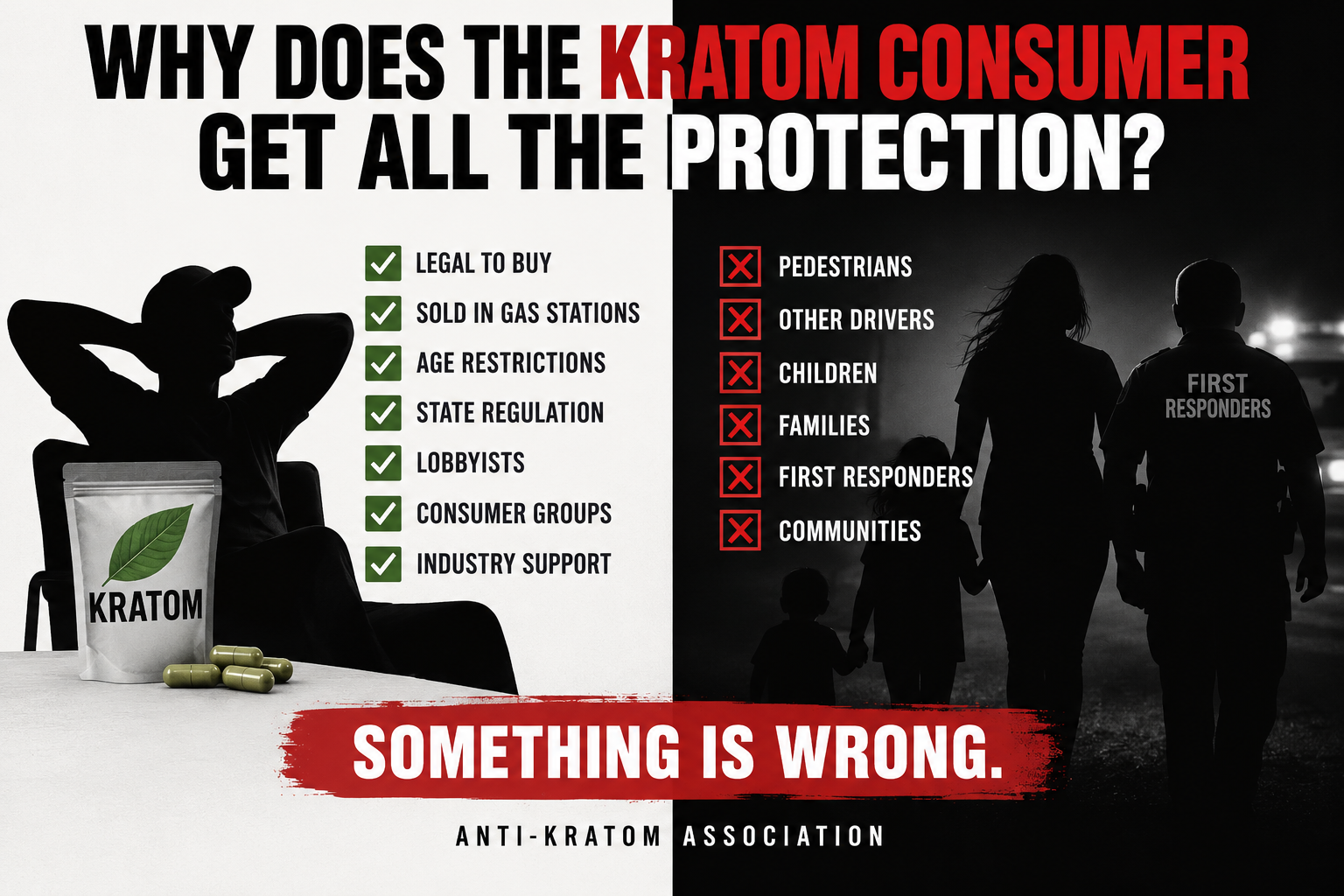
4. Florida Regulated the Product. Who Protects Everyone Else?
Florida's Kratom Consumer Protection Act addresses the conditions under which kratom may be sold. It does not establish that a product is safe to consume before driving. Yet the public-health consequences of impaired driving are not confined to the consumer. They extend to pedestrians, motorists and families who never purchased the product and never accepted its risks.
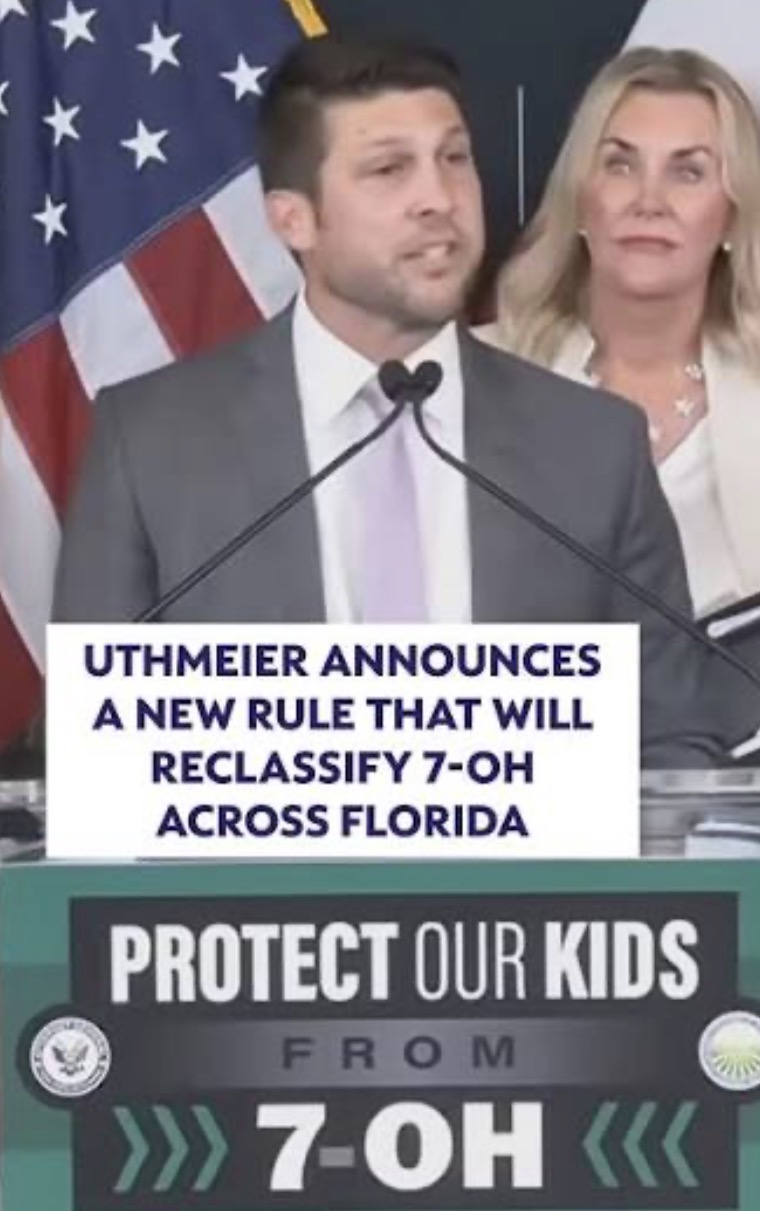
Florida's separate 7-OH rules regulate certain concentrated products, but chemical compliance cannot establish that a driver is unimpaired.
Nothing in the available reporting establishes that the Heat product violated Florida's kratom laws. The problem exposed here is broader: what protection exists for the public when a legally sold psychoactive product may contribute to dangerous driving?
5. Jessica Barr Was Not the Customer
Barr was standing near her bicycle at the Marion Transit Center. She suffered fatal injuries. She was a mother remembered for her love of music, movies, dolphins and the ocean.
Best is presumed innocent, and the court must decide whether prosecutors can prove the charge. The reported toxicology does not establish that kratom alone caused the crash.
Jessica Barr wasn't a kratom consumer. She was waiting at a bus station.
Reporting and related investigations
Tampa Bay Times — Tony Marrero, Oct. 7, 2026
Florida Statutes §316.193 — Driving under the influence
KCPA Fail Florida Part I — Nine Deaths Later, What Exactly Did Florida Fix?
Global Kratom Policy Review — Florida 7-OH investigation
This analysis is based on reporting of court filings. The charge is pending; allegations are not findings of guilt.