One Plant, One Danger
Some lawmakers have been told that “natural” kratom leaf is safer than extracts or “synthetic” 7-OH products. That is false. The kratom plant naturally contains two primary psychoactive alkaloids: mitragynine and 7-hydroxymitragynine (7-OH). These are the same compounds manufacturers concentrate to make extracts and shots. There is no chemical difference between the mitragynine in dried leaf and the mitragynine in a vape shop extract: only the concentration.
Important context: 7-OH products have only been widely available in the U.S. retail market for approximately a year and a half. There is very little long-term harm data available on these newer products. However, the public health evidence against kratom did not begin with 7-OH. FDA Adverse Event Reports (FAERS), CDC State Unintentional Drug Overdose Reporting System (SUDORS) data, poison center reports, hospitalizations, dependence cases, and deaths were documented for years before concentrated 7-OH products entered the market. The harms associated with kratom were already being reported from traditional leaf powder, capsules, extracts, and liquid shots.
When industry lobbyists say “we only oppose synthetic 7-OH,” they are using a distraction. Natural leaf already contains 7-OH, and the body makes more from mitragynine. A “natural-only” bill would leave the same dangerous products on gas station shelves, just without the word “synthetic” on the label.
The Same Alkaloids, Different Forms
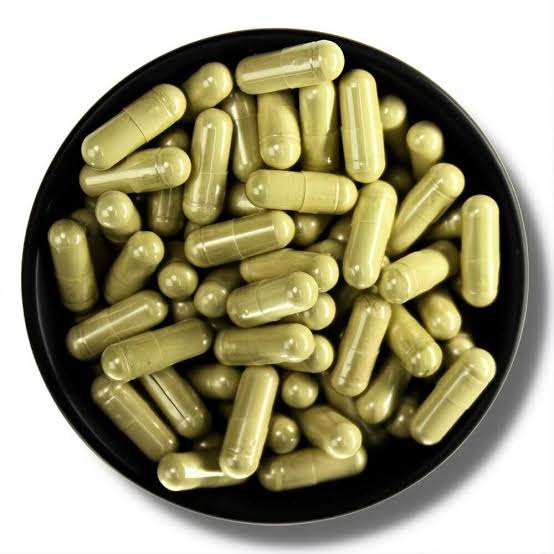
Raw Leaf / Powder
Contains natural mitragynine and 7-OH. The original plant material. Already opioid-active.
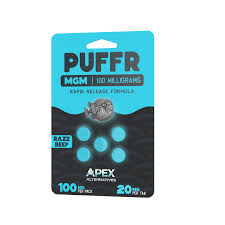
Mitragynine (MGM) Extracts
Concentrated mitragynine from the same plant. Higher potency, same pharmacology.
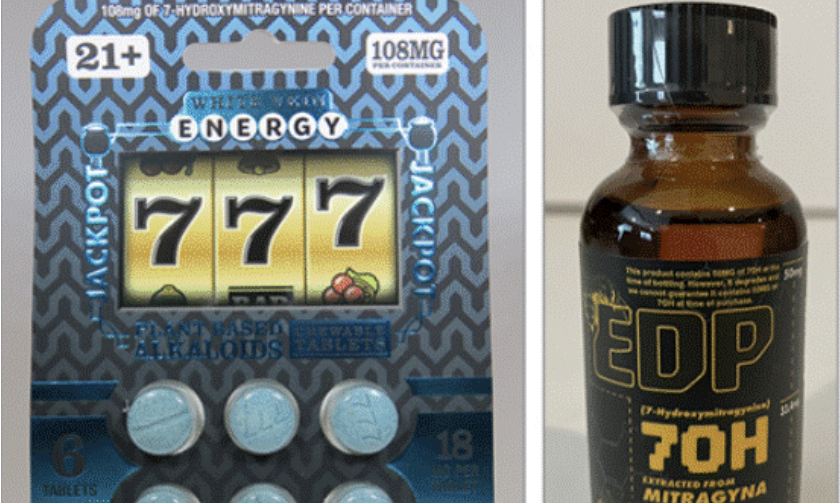
7-OH Products
Highly concentrated 7-hydroxymitragynine, already present in natural leaf. A more potent version of the same drug.
Whether it is a capsule of ground leaf, a tincture, or a 7-OH tablet, the active ingredients come from the same source. The major differences are potency and speed of absorption. Regulating one form while allowing another makes no public health sense.
Gas-Station Products: Same Core Risk
These products are sold in gas stations, vape shops, and online. They are marketed as “herbal supplements,” “wellness shots,” or “relaxation aids.” Their labels often list kratom, mitragynine, or kratom leaf extract. Independent lab tests have found lead, high ethanol levels, and inconsistent alkaloid content.
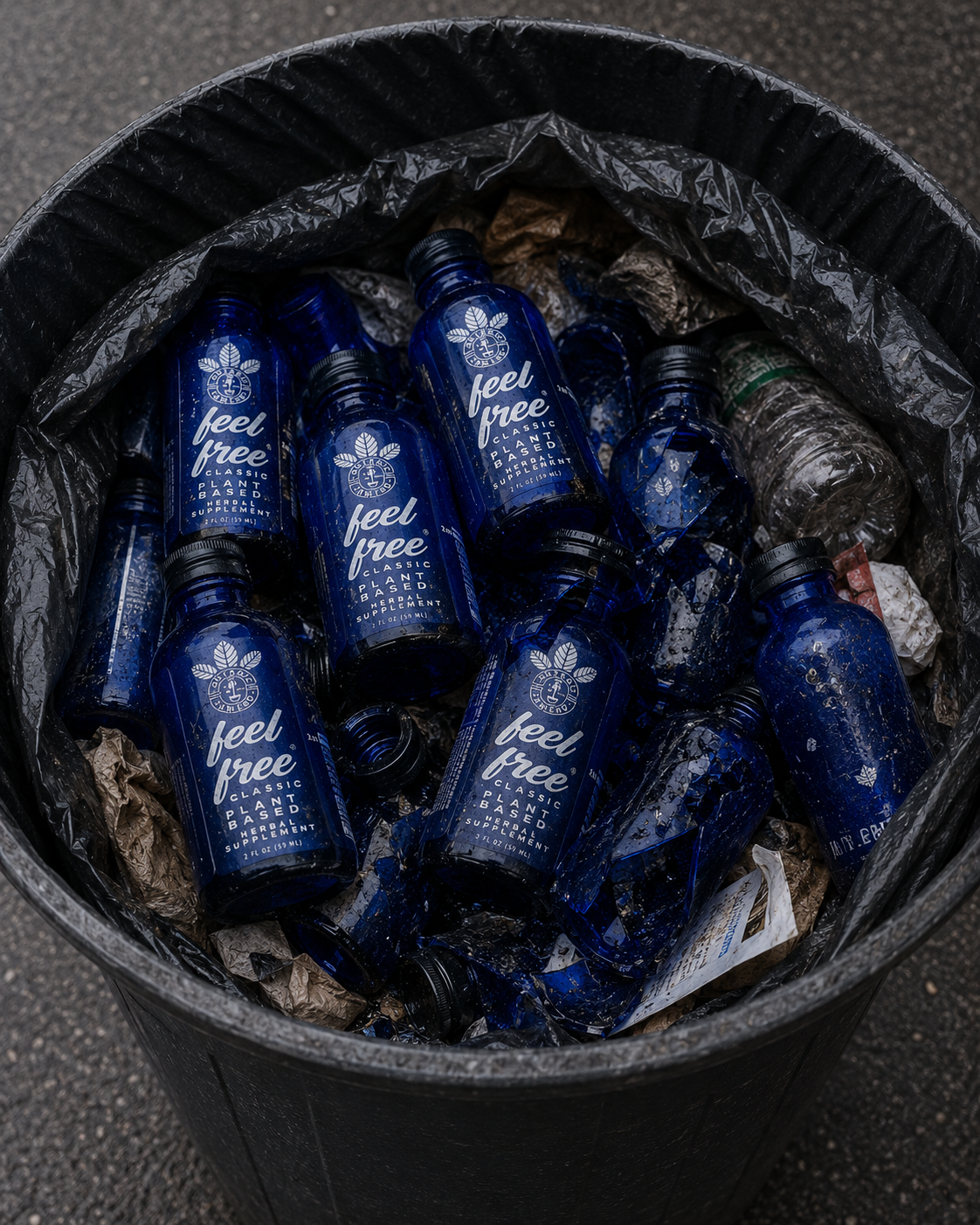 Liquid kratom extract shot
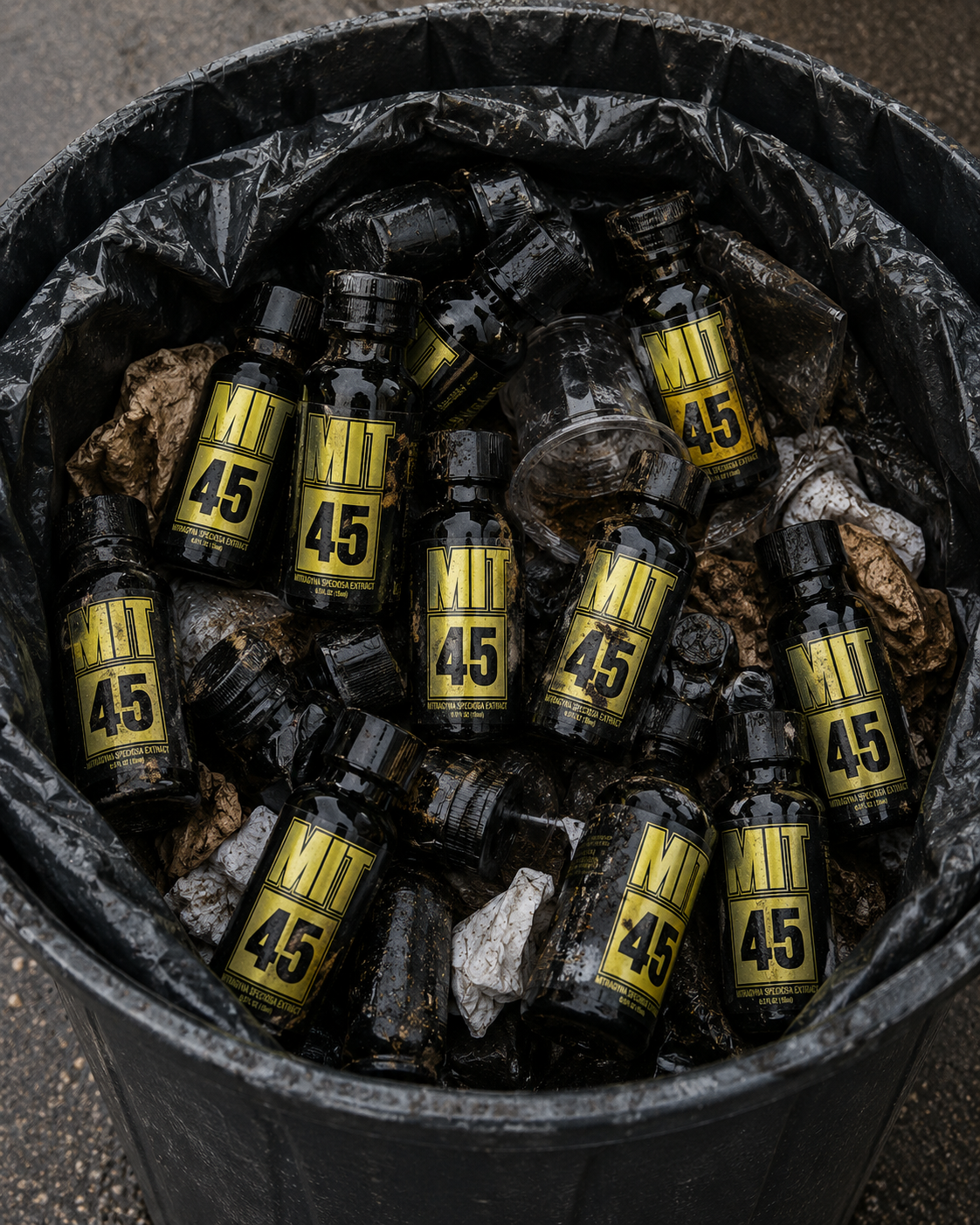 Concentrated liquid extract
These products are often sold next to energy drinks and candy. They are not regulated by the FDA, and their labels do not warn about dependence, withdrawal, or contamination. A “natural” leaf powder from the same shelf is not a different category. It is a less concentrated form of the same opioid-active product.
The “Synthetic-Only” Trap
Some state bills attempt to ban only “synthetic” kratom alkaloids while leaving “natural” leaf legal. This creates a deliberate loophole:
- There is no practical field test to distinguish synthetic from natural mitragynine or 7-OH.
- Manufacturers can simply call their extract “natural” and continue selling.
- Natural leaf already contains the same addictive opioid-like compounds.
The only honest policy is a full ban on all kratom products: natural leaf, extracts, shots, and synthetic derivatives. Any bill that leaves “natural” kratom legal is a gift to the industry, not protection for the public.
What we demand: Schedule I classification for all kratom alkaloids, regardless of origin. No “natural” exemptions. No unenforceable caps. A complete prohibition.
What You Can Do
If you are a legislator, regulator, or concerned citizen, use this page to understand the simple truth: kratom is kratom. There is no safe version. Extracts and 7-OH products are concentrated forms of the same plant-based opioid-active product.
- Legislators: Reject “synthetic-only” and “KCPA” bills. They are industry-written loopholes. Pass a full Schedule I ban.
- Law enforcement: Demand a ban that does not require impossible field tests. A full prohibition is the only enforceable policy.
- Parents and advocates: Share this page. Show representatives that the plant itself is the problem.